Jamaican Food Through the Lens of Tradition and Taste
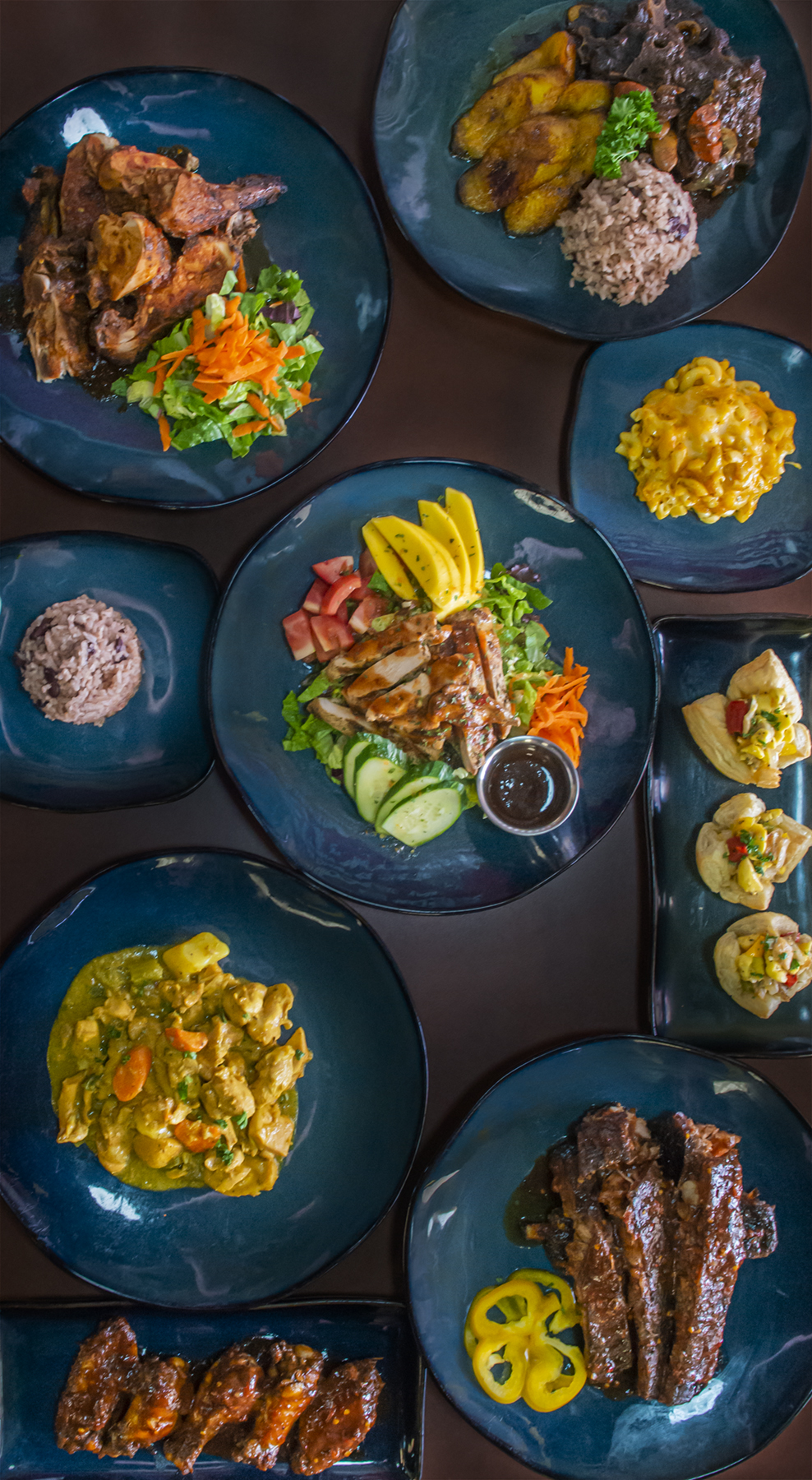
Jamaican food has a way of announcing itself before it reaches the table. You smell smoke from pimento wood, thyme rising out of a pot, scallion and Scotch bonnet hitting hot oil, coconut milk softening a stew, allspice and ginger warming the air. It is a cuisine that speaks in bold notes, yet its real depth comes from balance. Heat is checked by sweetness, smoke by acidity, starch by gravy, salt by fresh herbs. What looks rustic from a distance often turns out to be remarkably precise.
That precision comes from history as much as technique. Jamaican cooking did not emerge from a single lineage. It grew from Indigenous practices, African foodways, British colonial influence, Indian indentured labor, Chinese migration, and the practical intelligence of cooks who had to make the most of what the island offered. Cassava, plantain, breadfruit, salt cod, curry powder, cane sugar, coconut, yam, tamarind, and escovitch pickling all found a home in one national kitchen. The result is not a random fusion. It is a cuisine with its own internal logic, shaped over generations and sharpened by memory.
To understand Jamaican food, it helps to move past the postcard versions. Jerk matters, of course, and so does patty, but daily eating on the island is broader and subtler than the export menu suggests. Breakfasts are hearty. Soups are serious. Side dishes carry almost as much identity as main courses. The best cooks know how to season without drowning an ingredient, and how to make a humble pot of peas taste as if it had been simmering all day for a reason larger than hunger.
The history on the plate
Jamaican cuisine carries the marks of forced movement and adaptation. Enslaved Africans brought techniques, flavor instincts, and crops that transformed the island’s food culture. Provision grounds, informal markets, and household kitchens became places where culinary knowledge survived and evolved. Saltfish, now a national staple, came through colonial trade networks. Ackee, deeply identified with Jamaica today, originated in West Africa. Rice became a staple through trade and shifting agricultural systems. Curry arrived with Indian workers in the nineteenth century, then changed in the Jamaican kitchen, growing brighter with allspice, Scotch bonnet, and local herbs.
That layered background explains why Jamaican food feels both deeply rooted and constantly flexible. It is not unusual to see a breakfast plate that combines cod preserved through Atlantic trade, a fruit transplanted from Africa, dumplings developed through necessity, and seasonings that tie the whole thing unmistakably to the island. The meal tells a story of movement, hardship, invention, and taste.
There is also a strong rural and urban dialogue within the cuisine. Country cooking often leans on wood fire, ground provisions, fresh river fish, and ingredients grown close to home. Town and city cooking absorb convenience, commerce, and imported products more quickly. Yet the line is porous. A market woman in Kingston may be selling produce from a hillside parish. A family in St. Ann may rely on tinned mackerel one day and fresh callaloo the next. Jamaican food is traditional, but it is not frozen.
Seasoning is not an afterthought
The foundation of flavor in Jamaican cooking is seasoning, and that word means more than sprinkling salt at the end. It involves marinating, layering aromatics, building color, and judging how much spice a dish can carry without losing its shape. Green seasoning often includes scallion, thyme, garlic, onion, Scotch bonnet, ginger, and black pepper. In some kitchens, pimento is non-negotiable. In others, a touch of browning deepens stews and gravies. The point is not uniformity. The point is control.
A common mistake outside Jamaica is to treat heat as the whole story. Scotch bonnet peppers are famous for good reason, but their value is not just fire. They have fruitiness and perfume. Used properly, a whole pepper can flavor a pot without making it punishingly hot. Split or chopped, it changes the dish completely. Skilled cooks know when to let the pepper remain intact, when to crush it slightly, and when to go all the way. That judgment separates food that merely burns from food that sings.
Thyme is another quiet anchor. Fresh thyme in rice and peas, brown stew chicken, fish tea, or pumpkin soup gives a dish backbone. Pimento, also called allspice, is equally important, especially in jerk and certain stews. Its flavor bridges sweetness, warmth, and smoke. Jamaican seasoning is often described as bold, but the better word might be structured. Each ingredient has a task.
Ackee and saltfish, and the meaning of a national dish
No discussion of Jamaican food gets far without ackee and saltfish. It is the national dish, but that title only hints at its place in everyday life. At its best, the dish is luxurious without being heavy. Properly cooked ackee is delicate, almost buttery, with a texture that can resemble soft scrambled egg but tastes more nutty and subtle. Saltfish brings salinity and chew. Tomato, onion, scallion, thyme, and pepper round out the pan. Some cooks keep it bright and loose. Others cook it down further, drawing sweeter notes from the onion and tomato.
Getting ackee right requires care. Unripe ackee is unsafe to eat, so it must be fully opened and properly cleaned before cooking. Even when it is safe, it can fall apart if handled roughly. The best versions respect its fragility. The fish should be soaked and boiled enough to remove excess salt, but not so much that it loses character. The dish works because each element pushes against the others. If the saltfish is too dominant, the ackee disappears. If the tomato overwhelms the pan, the flavor turns flat and acidic.
At breakfast, ackee and saltfish often arrives with fried dumplings, boiled green banana, yam, or roasted breadfruit. That combination says a lot about Jamaican eating. Protein is important, but starch is never treated as filler. The “food,” as provisions are often called, carries both nourishment and identity.
Jerk beyond the stereotype
Jerk is one of the most recognized expressions of Jamaican cooking, and also one of the most misunderstood. Real jerk is more than a spicy marinade. It is a method, a seasoning philosophy, and in many cases a relationship to smoke. Traditional jerk relies on pimento wood and a slow cooking process that allows the meat to absorb heat, spice, and aromatic smoke. The seasoning usually includes scallion, thyme, Scotch bonnet, pimento, ginger, garlic, and salt, with variations from cook to cook. Some add cinnamon or nutmeg. Some use soy sauce, others do not. Many guard their ratios carefully.
Jerk pork has long been considered the classic form, with enough fat to withstand the heat and enough richness to welcome smoke. Jerk chicken became more globally widespread because it is easier to produce at scale and more familiar to wider audiences. Both can be excellent, though they are not interchangeable. Pork gives you depth and succulence. Chicken offers speed and a cleaner canvas for the seasoning. When either one is rushed, the result is disappointing: blackened exterior, raw spice flavor, weak smoke, dry interior. Good jerk needs time.
A roadside jerk pan in Jamaica often teaches this lesson better than any cookbook. The aroma hits first, then the sight of meat resting after cooking, not being chopped the second it leaves the fire. The final splash of sauce matters, but restraint matters too. If every bite tastes mainly of bottled sweetness, the hard work underneath is lost.
Patties, coco bread, and the art of portable food
The Jamaican patty is one of the great hand pies of the world. Its appeal seems simple, but simplicity is deceptive. The crust should be tender and short, usually tinted yellow with turmeric or curry powder, and sturdy enough to hold a moist filling without turning leathery. The beef filling should be savory, lightly spiced, and loose enough to feel juicy. When the ratio is off, you know immediately. Too much crust and it eats dry. Too much wet filling and the pastry collapses.
Beef is the standard bearer, but chicken, vegetable, callaloo, shrimp, and soy-based versions are common. In Jamaica, patties are everyday food, not novelty items. They belong in bakeries, school lunches, bus stops, and late afternoons when a proper meal is still hours away. The patty with coco bread remains one of those combinations that makes perfect sense after the first bite. The bread softens and stretches around the pastry, turning a snack into something far more sustaining.
Portable foods often tell you what a place values. In Jamaica, convenience does not require flavor sacrifice. A patty still needs seasoning, proper pastry, and enough heat to keep it lively. It may be fast food, but it carries standards.
The quiet authority of soups and Saturday cooking
If you want to judge a Jamaican cook, do not only ask for jerk. Ask for soup. Soup in Jamaica is not a starter unless the cook decides it is. It can be the event, especially on Saturdays, when many households lean toward a substantial pot. Pumpkin soup, red peas soup, chicken foot soup, mannish water, and fish tea each occupy their own place. Some are restorative. Some are celebratory. All require attention.
Red peas soup, made with kidney beans, salted meat or beef, ground provisions, dumplings, and coconut milk in some versions, carries weight in every sense. A proper bowl feels complete. Pumpkin soup can move from smooth and gentle to deeply savory depending on what goes into the stock and how long it cooks. Fish tea, despite the name, is not tea in any conventional sense but a clear, seasoned fish broth with vegetables and bright heat. It is often served when something strengthening is required.
The practical genius of these soups lies in extraction. Bones, trimmings, roots, and herbs yield flavor over time. Dumplings thicken the broth slightly. Starches absorb spice and stock. The pot becomes an argument for patience. Many cuisines have this instinct, but Jamaican soups stand out for their fullness. They feed the body and signal care.
Rice and peas is never “just a side”
Few dishes suffer more from understatement than rice and peas. Outside Jamaica, it is often reduced to a generic side dish, which misses the point entirely. Proper rice and peas, usually made with red kidney beans or gungo peas depending on the occasion and season, is one of the central pleasures of the table. Coconut milk gives body. Thyme and scallion lend fragrance. Scotch bonnet contributes aroma and gentle heat. The grains should be distinct, not mushy, and seasoned enough to stand on their own.
On Sundays, paired with chicken, oxtail, curry goat, or fried fish, rice and peas acts as both companion and anchor. It catches gravy, offsets spice, and makes the meal feel finished. Yet it should never taste like neutral starch. If the rice is bland, the plate is incomplete no matter how good the meat may be.
Festival, bammy, roasted breadfruit, boiled dumplings, and ground provisions perform similar roles in different contexts. Jamaican cooking understands starch not as filler but as a flavor carrier and textural counterweight. Breadfruit with roast fish, bammy with escovitch, festival beside jerk, these pairings exist because someone learned over time what makes a meal satisfying rather than merely assembled.
Seafood, escovitch, and the importance of sharpness
An island cuisine naturally develops a close relationship with fish, though availability varies by coast, season, price, and local ecology. Fried fish is beloved across Jamaica, especially when topped with escovitch, a sharp mixture of pickled vegetables usually including carrot, onion, and Scotch bonnet in a vinegary dressing. The fish itself should be well seasoned before frying, often with cuts in the flesh to allow the seasoning in. Crisp skin matters. So does timing. If the escovitch sits too long before service, it can soften the crust. If it is too aggressive, it overwhelms the fish.
Escovitch reveals another strength of Jamaican food: acidity used with confidence. The cuisine is known for heat and smoke, but tartness plays a crucial role in many dishes. It keeps rich foods lively. It brightens fried foods. It cuts through oil and balances sweetness.
Run down, a coconut-based fish stew often made with mackerel, offers a different mode entirely. The sauce cooks down until it clings, carrying onion, tomato, thyme, and pepper into something savory, rich, and slightly sweet. One dish sharpens the palate, the other coats it. Both are unmistakably Jamaican, and both show that seafood on the island reaches well beyond the expected grilled fillet.
Curry goat, brown stew, and the Sunday table
Jamaican Sunday dinner has a reputation for abundance, and deservedly so. It is a meal where gravies deepen, starches multiply, and the week briefly slows down. Curry goat often appears at celebrations as much as at family tables. A good version is not merely goat in yellow sauce. The meat should be properly cleaned, seasoned, and marinated. The curry is usually “burned” in oil at the start, a step that wakes up the spice and gives the dish a deeper, nuttier tone. Potatoes may appear, but they should absorb flavor rather than dilute it.
Brown stew chicken is another benchmark. The chicken is seasoned, sometimes lightly floured, browned, and then simmered with onion, tomato, thyme, scallion, sweet pepper, and browning sauce or caramelized sugar depending on the cook’s style. The gravy should be glossy and assertive, not watery. Too much sweetness can make it cloying. Too little browning and it lacks depth. This is one of those dishes that looks forgiving but exposes haste immediately.
Oxtail deserves mention too, though its global popularity has driven up prices and altered how often it appears in ordinary homes. The best versions are soft without disintegrating, their gravy enriched by butter beans and long cooking. Texture matters as much as flavor. There is little point in an oxtail dish that does not surrender under the fork.
What the best Jamaican cooks get right
Across restaurants, home kitchens, cookshops, and beachside stalls, strong Jamaican food tends to share a few habits of judgment:
- Season early, then adjust late.
- Respect the starch as part of the dish, not an afterthought.
- Use Scotch bonnet for aroma as well as heat.
- Build gravies and broths with patience.
- Balance richness with something fresh, sharp, or smoky.
Those principles sound straightforward, but they are easy to miss. Many cooks underseason the base and try to rescue the result at the end. Others chase heat without enough herb character. Some rely too heavily on sweetness in jerk sauce or bottled browning in stews. Jamaican food can handle intensity, but it punishes imbalance.
One practical detail that seasoned cooks know well is that resting matters. Jerk meat needs a moment after the fire. Fried fish benefits from timing the escovitch carefully. Rice and peas often improves after sitting off the heat for a few minutes, allowing moisture to settle. These are small judgments, not glamorous ones, and they shape the final plate.
The role of fruit, sweets, and drinks
Savory dishes dominate most discussions of Jamaican food, but fruit and sweets form an essential backdrop. Mango season changes how people eat. June plum, guinep, otaheite apple, naseberry, star apple, and soursop all bring their own rhythm. Some are eaten out of hand, some become juice, some end up in desserts or preserves. Freshness matters here in a very immediate way. A perfectly ripe mango in Jamaica can make imported fruit elsewhere feel like a different category altogether.
Jamaican sweets often carry the same directness as the savory food. Gizzada, with its pinched pastry shell and spiced coconut filling, is compact and deeply satisfying. Toto, a dense coconut cake, reflects the island’s love of baked goods that do not need elaborate decoration to make an impression. Rum cake, grater cake, and peanut drops show the lasting pull of sugar, spice, and coconut across generations.
Drinks tell their own story. Sorrel at Christmas is more than a beverage. It is seasonal ritual, steeped with ginger and often touched with rum. Irish moss, carrot juice, peanut punch, and soursop juice all occupy spaces between refreshment and nourishment. Jamaican eating rarely draws a hard line between flavor and function.
Eating Jamaican food away from Jamaica
Diaspora cooking has carried Jamaican food far beyond the island, and often with great integrity. London, Toronto, New York, Miami, and many other cities have communities where patties, jerk chicken, curry goat, and bun and cheese https://manuelyrvh655.terracolumn.com/posts/how-jamaican-food-brings-culture-and-flavor-together are part of local life. Still, ingredients shift when geography changes. Scotch bonnet may be harder to source consistently. Pimento wood is often replaced by other smoking methods. Breadfruit can be frozen. Callaloo may come tinned or substitute with different greens.
That does not make the food less authentic by default. Cuisines travel by adapting. The better question is whether the adaptation understands the original logic. Using habanero when Scotch bonnet is unavailable can work, but the flavor profile changes. Cooking jerk in an oven may still produce good food, but it cannot fully replicate pimento smoke. Frozen ackee can be excellent when handled properly, though its texture differs slightly from fresh. Trade-offs are part of migration.
For cooks outside Jamaica who want to improve their results, a few points matter more than expensive equipment:
- Marinate meats long enough for the seasoning to penetrate.
- Do not skip fresh thyme, scallion, and allspice where called for.
- Let coconut milk enrich, not drown, a dish.
- Taste starches on their own before serving.
- Use acidity deliberately, especially with fried foods and rich stews.
These are not rigid rules. They are useful pressures that push the food in the right direction. Jamaican cuisine is generous, but it rewards attention.
Why tradition still tastes alive
The strongest traditional cuisines survive because they continue to answer everyday needs. Jamaican food does this beautifully. It feeds large families well. It makes room for celebration and for thrift. It allows cooks to improvise without losing identity. A pot of soup can stretch. A Sunday dinner can gather people. A patty can solve an ordinary afternoon. A jerk pan can turn roadside eating into something unforgettable.
Tradition here does not mean museum cooking. It means a living standard of flavor, memory, and technique. Younger cooks may plate dishes differently, trim fat more aggressively, or adjust heat levels for broader audiences. Restaurants may modernize presentation. Yet the core remains recognizable when it is done with understanding: proper seasoning, clear contrasts, respect for provisions, and patience where patience is due.
That is why Jamaican food remains so compelling. It is not only delicious, though it certainly is. It carries the discipline of cooks who know exactly what flavor should do, and the history of a people who turned endurance into style. When the thyme is right, the pepper is measured, the smoke is real, and the starch is worthy of the gravy beside it, the food says more than any slogan could. It tells you where it comes from, and it tastes fully alive.
Reggae Pot Jamaican Grill
7562 S University Blvd C, Centennial, CO 80122
(303) 997-5623
FAQ About jamaican food
What is the best Jamaican food to try in Centennial?
The best choice depends on your preferences. Reggae Pot Jamaican Grill offers jerk chicken, curry goat, oxtail, and escovitch snapper, along with sides such as rice and peas and fried plantains. Ask the restaurant about current availability and spice levels before ordering.
Is Jamaican food very spicy in Centennial?
Heat varies by dish and preparation. Jerk dishes can be hot, while some stews and sides are milder. Tell the restaurant your preferred heat level and ask which options suit you.
What is typically on a Jamaican menu?
Common choices include jerk chicken, curries, oxtail, fish, patties, rice and peas, and plantains. Reggae Pot also lists ackee and saltfish and vegetable dishes. Menus and availability can change, so confirm your choices when ordering.
Ends · EDUARDOQPAK423