Jamaican Food Trends Rooted in Island Heritage
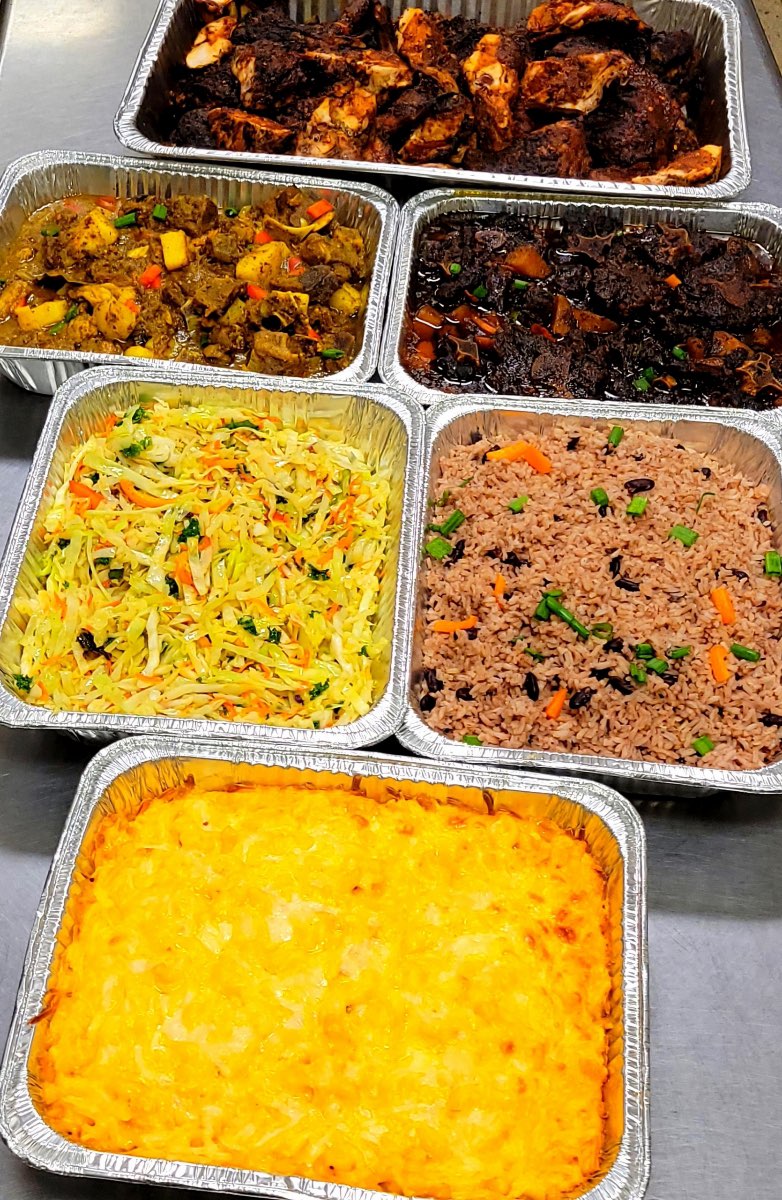
Jamaican food has never needed reinvention to stay relevant. It has always carried enough force on its own, built from memory, migration, agriculture, improvisation, and the kind of seasoning logic that only comes from repetition over generations. What has changed is the way people talk about it, package it, and present it to wider audiences. Across restaurants, home kitchens, food trucks, bottled sauces, and resort menus, the strongest trends in Jamaican food are not moving away from heritage. They are moving deeper into it.
That matters because the island’s culinary identity is often flattened from the outside. For many diners abroad, Jamaican food still gets reduced to jerk chicken, patties, and rum punch. Those foods matter, of course, but they are only a narrow slice of a much broader tradition. The more interesting movement now is a return to the full range of Jamaican cooking, from Saturday soup and rundown to carefully built curries, yam-heavy breakfasts, and old-school sweets that once sat in glass jars on shop counters.
The trend is not nostalgia for nostalgia’s sake. It is a practical response to what people want now: food with a story, ingredients with traceable roots, methods that show care, and flavors that do not feel generic. Jamaican cooks and food business owners who understand that are not trying to dilute the cuisine for broader appeal. They are sharpening it.
Heritage is the trend, not just the backdrop
A lot of cuisines go through a phase where traditional dishes are treated like relics and newer forms are positioned as more sophisticated. Jamaican food is taking a different route. Heritage is becoming the selling point, the creative framework, and the quality standard all at once.
You see it in how menus are written. Ten years ago, many Caribbean restaurants outside Jamaica leaned on broad labels like “spicy grilled chicken” or “island stew.” Now, there is more confidence in naming dishes properly: mannish water, escovitch fish, brown stew chicken, peppered shrimp, bammy, festival, callaloo with saltfish. That shift may sound small, but it changes the relationship between cook and customer. It says the cuisine does not need translation at every step.
You also see it in sourcing conversations. More chefs are highlighting pimento, Scotch bonnet, cassava, breadfruit, sorrel, and local varieties of yam not as exotic extras, but as essential building blocks. There is a growing understanding that Jamaican flavor does not come from heat alone. It https://remingtonkxjc127.greyhavendaily.com/posts/jamaican-food-essentials-for-every-caribbean-food-fan comes from layers: aromatic spice, acidity, smoke, sweetness, salinity, and texture working together. Anyone who has tasted a proper jerk marinade before it hits the meat knows this. The allspice berry matters. Fresh thyme matters. Scallion matters. The right ratio of ginger to garlic matters. The wood matters.
That kind of detail is where heritage lives.
Jerk is evolving, but its roots still set the rules
No conversation about Jamaican food trends can avoid jerk, but the real story is not that jerk is popular. It has been popular for a long time. The story is that more people are becoming serious about what jerk actually is.
Authentic jerk is not simply any protein covered in a sweet-hot sauce. It begins with seasoning technique and cooking method. The old logic, developed in difficult conditions by Maroons who knew how to preserve flavor and conceal smoke, still shapes the benchmark. Meat is rubbed or marinated deeply. Pimento wood gives smoke that is fragrant rather than blunt. The fire does not rush the process. Good jerk tastes penetrated, not painted.
That heritage has not stopped experimentation. On the contrary, some of the smartest innovation in Jamaican food right now is happening through jerk. Cooks are applying the method to fish, shellfish, mushrooms, jackfruit, tofu, lamb, and even root vegetables. Jerk oyster mushrooms have become a serious menu item in some urban markets because they hold seasoning well and char beautifully at the edges. Jerk cauliflower can work too, though it needs careful handling. Too often it ends up watery or under-smoked, which proves a familiar point: not every trendy ingredient behaves like chicken thigh or pork shoulder.
The strongest jerk adaptations respect three truths. First, the seasoning must be balanced before cooking. Second, smoke is not optional if you want depth. Third, sweetness should never dominate. Too many mass-market jerk sauces drift into barbecue territory because sugar is easier to sell than bitterness, spice, and allspice complexity. Experienced cooks know better.
Breakfast is finally getting the respect it deserves
One of the most welcome developments is the renewed attention to Jamaican breakfast culture. For years, breakfast dishes were overshadowed by lunch and dinner staples in restaurant settings, especially outside the island. That is changing.
Ackee and saltfish remains the emblem, and deservedly so. When it is cooked well, with soft but not mushy ackee, flaky cod, just enough tomato, onion, scallion, and Scotch bonnet to brighten without overpowering, it offers a perfect lesson in restraint. But the broader breakfast table is where the real revival is happening. More kitchens are serving fried dumplings with mackerel rundown, callaloo with roast breadfruit, boiled green bananas, yams, and porridge made from cornmeal, peanut, plantain, or oats with the texture adjusted to family preference. Some like it thick enough to hold a spoon upright. Some do not. Both camps will defend their position with energy.
This trend has commercial logic as well. Breakfast foods travel well into fast-casual formats, meal prep services, and office catering. They also satisfy a growing appetite for savory morning meals. A properly packed breakfast box with ackee, dumpling, and callaloo feels substantial in a way many standard café offerings do not. It is rooted food, but it is also practical food.
There is another reason breakfast matters. It reconnects Jamaican food to everyday life rather than celebration alone. Too often, diaspora restaurant culture presents Caribbean cooking as a weekend indulgence. Breakfast insists on something different. It says this cuisine is daily, lived, ordinary in the best sense.
Old ground provisions are finding new audiences
Ground provisions were never glamorous. They were simply what sustained people: yam, sweet potato, green banana, dasheen, cassava, coco, breadfruit. For a long time, these ingredients were undervalued in modern food media because they did not fit sleek visual trends or quick-cooking habits. Now they are returning to center stage, and not by accident.
Part of the shift comes from nutrition-minded diners who want more fiber, slower-digesting starches, and less dependence on heavily processed carbohydrates. Part of it comes from chefs rediscovering how versatile these ingredients are. Breadfruit can be roasted, fried, mashed, chipped, or turned into flour. Cassava can move from bammy to pone to contemporary bakery applications. Green banana can anchor soups and breakfasts or appear in more polished plated dishes without losing its identity.
The heritage aspect is crucial here. Jamaican cooks have always known how to build satisfying meals around provisions, not just around imported staples. What feels trendy now is often old kitchen wisdom returning to public view. In professional kitchens, the challenge is execution. Provisions demand timing and judgment. Yam can turn gluey if mishandled. Breadfruit can dry out fast. Cassava must be treated with respect. Cooks who know these ingredients from home have an advantage that no recipe card can fully replace.
Ital cooking is broadening the conversation
Ital food is often described too narrowly, as if it were only a vegan branch of Jamaican cuisine. In practice, ital is a philosophy as much as a style of cooking, shaped by Rastafarian principles and a deep respect for natural ingredients, simplicity, and vitality. Its influence on food trends has grown steadily because it aligns with modern interest in plant-forward eating without sacrificing flavor or cultural depth.
What makes ital compelling is that it does not begin from the premise of deprivation. A good ital plate does not feel like a meat dish with the meat removed. It stands on its own terms. Coconut milk, thyme, scallion, pumpkin, cho cho, peas, okra, callaloo, and Scotch bonnet do the heavy lifting. So do texture and patience. Lentils, butter beans, and chickpeas can be excellent, but an ital meal wins or loses on seasoning and balance, not on protein substitution alone.
Restaurants that do ital well understand that people want more than virtue on a plate. They want satisfaction. A rich pumpkin stew with coconut, a carefully seasoned callaloo sauté, roasted breadfruit, and a pepper sauce with real bite can satisfy a broad audience, including diners who eat meat regularly. That is why ital is influencing mainstream Jamaican food businesses. It offers a route to expansion without breaking from heritage.
Street food is becoming more polished, not less authentic
Street food has always been one of the clearest windows into Jamaican flavor. The current trend is not to replace that energy with fine dining polish, but to carry its directness into cleaner branding, tighter operations, and better consistency.
Patties are a perfect example. A good patty shop now may offer traditional beef alongside curried goat, ackee and callaloo, lobster in tourist-heavy areas, or plant-based fillings in urban centers. The pastry might be made with more butter, a flakier lamination, or premium local ingredients. Yet the core expectation remains unchanged: strong filling, bright crust color, enough structure to eat by hand, and no stinginess on seasoning.
The same applies to roadside classics like jerk pan chicken, roast corn, soup, and fried fish. Some operators are improving holding methods, refining packaging, and investing in visible prep spaces without softening the flavor profile. That balance matters. Diners are more quality-conscious than they used to be. They notice soggy festival, tired oil, oversalted fish, and bottled sauce standing in for proper seasoning. Heritage gives street food credibility, but consistency keeps customers coming back.
A few clear shifts stand out:
- regional dishes are appearing more often on menus outside their home parishes
- bottled condiments and marinades are being positioned as premium products rather than generic hot sauces
- plant-based versions of classics are growing, especially in cities with younger diaspora audiences
- chefs are pairing traditional starches and sides with more contemporary plating
- breakfast and soup culture are moving into all-day service formats
None of those developments requires Jamaican food to become unrecognizable. The strongest operators understand that novelty has a short shelf life, while trust lasts.
The sauce shelf is getting smarter
There was a time when “Caribbean sauce” on a supermarket shelf usually meant an overly sweet glaze with a little chili heat and a palm tree on the label. Consumers are getting more discerning, and producers are responding.
More Jamaican brands are bottling pepper sauces, jerk seasonings, marinades, and chutney-style condiments with a stronger sense of regional and culinary specificity. Scotch bonnet is being treated as a pepper with its own flavor, not just as a heat unit. Tamarind, sorrel, guava, pineapple, and pimento are being used with more restraint. The best products taste like something a cook would actually keep within reach, not just gift to a tourist.
This is not easy to get right. Shelf stability imposes compromises. Fresh thyme does not behave the same in a bottle after processing. Smoke flavor can become muddy. Sugar and vinegar can dominate if the formula is engineered for mass appeal. The brands that stand out usually do two things well: they keep ingredient lists honest, and they understand what the product is meant to accompany. A pepper sauce for soup should not taste like a wing sauce. A jerk marinade should not become syrup when heated.
For small producers, this category also offers one of the most realistic growth paths. A restaurant can only serve so many covers in a night. A well-made bottled product, if priced correctly and distributed with care, can travel far beyond the island or diaspora neighborhood where it started.
Fine dining has a role, but it is not the whole story
There is increasing interest in upscale Jamaican dining, tasting menus, chef-driven reinterpretations, and rum pairings framed with the language of terroir. Some of that work is genuinely exciting. When handled by cooks who understand the original forms deeply, refinement can reveal aspects of the cuisine that casual service sometimes hides. A beautifully executed escovitch preparation can showcase the precision of pickling and frying. A plated goat curry can highlight the slow development of spice in a way buffet service rarely does.
Still, fine dining comes with risks. Jamaican food loses something if it becomes too self-conscious. Hospitality on the island has always involved generosity, abundance, and ease. Tiny portions and overworked concepts can feel at odds with the cuisine’s spirit. There is also the danger of extracting ingredients from their cultural context to make them appear more elevated than they ever needed to be.
The best chefs working in this space tend to avoid that trap. They know that refinement should expose structure, not erase memory. They respect the dish enough to leave some of its directness intact.
Here is where experienced cooks usually draw the line:
- they modernize presentation before they modernize flavor
- they trim sweetness and excess oil when needed, but do not flatten seasoning
- they explain lesser-known dishes without renaming them into something safer
- they use premium ingredients to deepen quality, not to perform status
- they keep one foot in the everyday kitchen, where the cuisine still proves itself
That judgment is what separates thoughtful evolution from branding exercise.
Diaspora cooking is feeding the trend cycle
Some of the most dynamic changes in Jamaican food are happening outside Jamaica, especially in cities with large Caribbean communities. London, Toronto, New York, Miami, and parts of Atlanta have become test kitchens for a particular kind of adaptation: rooted, hybrid, and commercially sharp.
Diaspora cooks often work with a double awareness. They are preserving family methods while responding to customer bases that include second-generation Jamaicans, other Caribbean communities, and diners with no prior exposure to the cuisine. That produces interesting results. A caterer in Toronto may adjust salt levels because local customers are more sensitive to heavily cured fish. A chef in London may build a brunch menu around saltfish fritters and plantain waffles because that format meets the market where it is. A Brooklyn bakery might sell coco bread with fillings that would have surprised previous generations, yet still keep the bread itself close to tradition.
These changes are not signs of dilution by default. Diaspora cooking has always been part of Jamaican culinary history. Movement changes food. Ingredients shift, techniques bend, and new combinations emerge. The question is whether the dish still carries internal logic. Does it make sense in the grammar of Jamaican flavor? If yes, it has a place.
Seasonality and local farming are becoming part of the food story
For a long time, conversations about Jamaican cuisine centered more on finished dishes than on farming. That is starting to change, especially among younger chefs, food educators, and hospitality businesses that want stronger local supply chains.
Seasonality on the island has always shaped what people eat, even if the language around it was less formal than in European dining circles. Mango season changes everything. So does the availability of sorrel toward the end of the year. Rainfall affects produce quality, pricing, and menu planning. Fishermen, market vendors, and cooks have always adapted. The newer trend is simply to make that reality more visible to diners.
This matters for quality, but it also matters for resilience. Imported food has long complicated the economics of Caribbean eating. Re-centering local produce and traditional crops is both a culinary and practical move. It supports farmers, protects flavor, and reduces the strange contradiction of serving a heritage cuisine increasingly dependent on external supply.
What will last
Food trends often burn bright and disappear. Jamaican food works on a different timeline. Its strongest movements tend to endure because they are anchored in habits, not hype. Jerk may get applied to new ingredients. Patties may enter premium retail. Ital may expand its audience. Breakfast may finally gain more menu space. Yet the foundation remains steady: seasoning knowledge, agricultural memory, regional pride, and a refusal to make the food blander than it should be.
That is why the most important trend in Jamaican food is not fusion, reinvention, or modernization as an end in itself. It is confidence. Confidence to name dishes properly. Confidence to cook provisions without apology. Confidence to let pimento, thyme, smoke, pepper, and coconut do their work. Confidence to tell the full story of the cuisine, not just the export-friendly chapter.
When that confidence leads, heritage stops being a museum piece. It becomes what it has always been in the best Jamaican kitchens, a living standard.
Reggae Pot Jamaican Grill
7562 S University Blvd C, Centennial, CO 80122
(303) 997-5623
FAQ About jamaican food
What is the best Jamaican food to try in Centennial?
The best choice depends on your preferences. Reggae Pot Jamaican Grill offers jerk chicken, curry goat, oxtail, and escovitch snapper, along with sides such as rice and peas and fried plantains. Ask the restaurant about current availability and spice levels before ordering.
Is Jamaican food very spicy in Centennial?
Heat varies by dish and preparation. Jerk dishes can be hot, while some stews and sides are milder. Tell the restaurant your preferred heat level and ask which options suit you.
What is typically on a Jamaican menu?
Common choices include jerk chicken, curries, oxtail, fish, patties, rice and peas, and plantains. Reggae Pot also lists ackee and saltfish and vegetable dishes. Menus and availability can change, so confirm your choices when ordering.
Ends · EDUARDOQPAK423