The Ultimate Guide to Traditional Jamaican Food
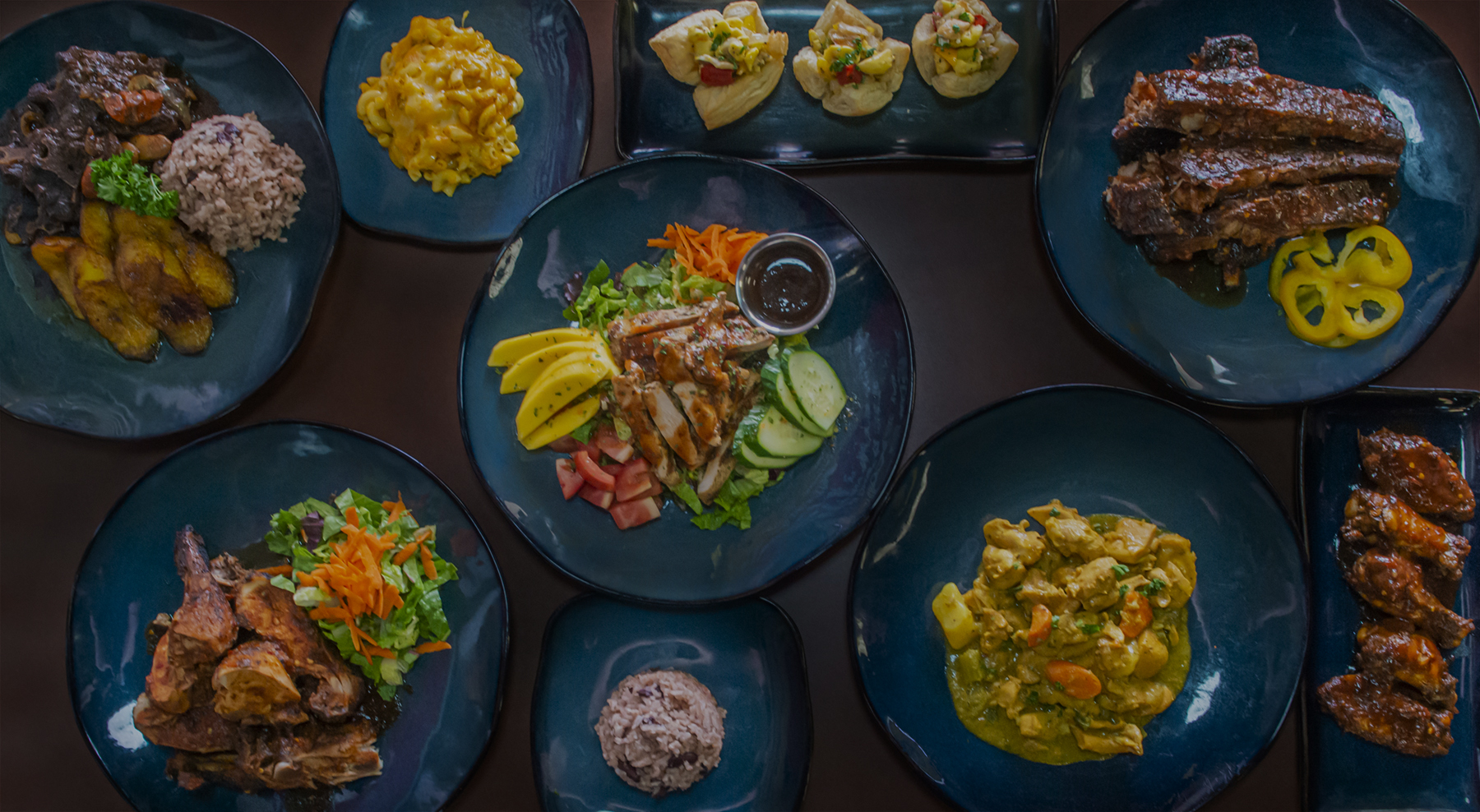
Jamaican food has a way of announcing itself before it reaches the table. You smell pimento smoke drifting from a roadside jerk pan, catch the sweetness of fried ripe plantain, or hear the heavy lid lift off a pot of simmering stew peas. Few island cuisines are as immediately recognizable, and fewer still manage to be this bold while staying rooted in thrift, memory, and everyday cooking.
What makes traditional Jamaican food so compelling is not just heat, though there is plenty of that when Scotch bonnet is involved. It is the balance. Savory dishes often carry a whisper of sweetness. Rich meats are matched with bright pickles, starches, or fresh herbs. Slow cooking deepens flavor, but the seasoning usually starts with fresh ingredients that are easy to identify once you know the pantry: thyme, scallion, garlic, ginger, allspice, onion, and hot pepper. Even the most famous dishes, the ones visitors seek out first, only make full sense when seen as part of a larger food culture shaped by African, Indigenous Taíno, European, Indian, and Chinese influences.
If you want to understand Jamaica, spend time with its kitchens, cookshops, street vendors, and family tables. This is a cuisine built as much on resourcefulness as celebration.
The backbone of Jamaican cooking
Traditional Jamaican cooking depends on a few techniques that show up again and again. Seasoning meat well in advance is one of them. A proper marinade is not a superficial coating, it is part of the cooking logic. Browning is another, whether that means caramelizing sugar for color in brown stew or getting a deep sear on meat before it goes into a pot. Then there is slow simmering, where tough cuts soften and the pot liquor becomes as important as the meat itself.
The pantry tells its own story. Allspice, often called pimento in Jamaica, is one of the defining flavors of the island. Thyme appears so often that many cooks add it almost automatically. Scotch bonnet peppers bring fruitiness as well as heat, which matters because a good Jamaican dish is not supposed to taste only fiery. Coconut milk, salted cod, green banana, yam, cassava, callaloo, breadfruit, ackee, and rice all hold important places in the repertoire.
A lot of Jamaican food is also built around function. Some dishes are weekend food. Some are breakfast staples. Some exist because they stretch expensive ingredients across a household. Some are the kind of things people crave after a night out, during a rainy afternoon, or on a Sunday when the pace slows down and the pot can stay on the stove for hours.
Jerk, the dish that became a symbol
No discussion of Jamaican food can begin anywhere else. Jerk is the island’s best-known culinary export, but outside Jamaica it is often simplified into a generic spicy barbecue. That misses the point. Traditional jerk is a method, a seasoning style, and a cooking tradition with deep roots.
The flavor profile revolves around pimento and Scotch bonnet, usually backed by thyme, scallion, garlic, ginger, and other aromatics. Pork was historically central, though jerk chicken became more globally dominant for practical reasons. Pork shoulder or whole chickens absorb smoke and seasoning beautifully, but the real distinction comes from the cooking environment. Classic jerk is cooked over pimento wood, often with the meat enclosed so it smokes and roasts at once. That wood contributes a resinous, slightly sweet aroma that is difficult to fake.
The best jerk is layered. The first taste may be smoke, followed by spice, then salt, then the warm perfume of allspice. Good jerk should not be one-note hot. It should keep unfolding. On the island, it is often served with festival, a lightly sweet fried dough, or with hard dough bread, roast breadfruit, or bammy. Those accompaniments matter because they steady the heat and complete the meal.
One common mistake in home kitchens is rushing the marination or over-saucing after cooking. Traditional jerk is not meant to swim in a sticky glaze. It should taste seasoned all the way through, with char on the outside and juiciness inside.
Ackee and saltfish, Jamaica on a plate
Ask many Jamaicans what feels most emblematic, and they may well say ackee and saltfish. It is the national dish, but that title can make it sound ceremonial. In practice, it is deeply domestic, familiar, and comforting.
Ackee is a remarkable ingredient. When properly cooked, it becomes soft and delicate, almost creamy, with a texture people often compare to scrambled eggs, though the flavor is gentler and more buttery. Saltfish, usually salted cod, brings firmness, salinity, and chew. Cooked together with onion, tomato, scallion, thyme, and Scotch bonnet, the result is savory but never heavy.
There is practical history behind this pairing. Saltfish was a preserved staple that could survive transport and storage. Ackee, introduced from West Africa, adapted to the island and became part of everyday cooking. The dish reflects Jamaica’s historical currents in one pan.
It is usually eaten with ground provisions or breakfast sides such as fried dumplings, boiled green bananas, roasted breadfruit, or yam. The supporting cast changes the character of the meal. With fried dumplings, it feels indulgent. With boiled banana and yam, it tastes more earthy and traditional.
One important note deserves emphasis. Ackee must be handled correctly. Only naturally opened, properly cleaned ackee should be used, and if you are unfamiliar with preparing fresh ackee, canned ackee from a reputable producer is the safer option. Experienced cooks treat this as basic kitchen wisdom, not a fussy detail.
Rice and peas is not just a side dish
Visitors sometimes assume rice and peas is background food. It is not. When made well, it anchors the plate and quietly carries much of the meal’s character. In Jamaica, the “peas” are often kidney beans or gungo peas, depending on the dish and the season. The rice is usually cooked with coconut milk, thyme, scallion, garlic, and Scotch bonnet, which perfumes the pot without necessarily making the rice hot.
Sunday dinner often revolves around rice and peas. It belongs with curry goat, stew chicken, oxtail, or fried fish. You can eat those main dishes without it, of course, but the experience feels incomplete. The grains absorb gravy, the beans add body, and the coconut brings softness and aroma.
There is also a strong element of timing and touch here. Rice and peas should be distinct, not mushy, and not dry. Cooks who make it regularly can tell by sound and steam when the pot needs attention. That kind of confidence rarely comes from recipes alone.
Brown stew, curry, and the deep comfort of the pot
A lot of traditional Jamaican food happens in a pot rather than over open flame. Brown stew chicken is one of the clearest examples. The chicken is seasoned, browned, and then simmered with onion, tomato, sweet pepper, carrot, thyme, and enough liquid to create a rich gravy. A little browning sauce is common, but good cooks use it with restraint. Too much and the dish tastes metallic and flat. Done well, the sauce should taste savory, lightly sweet, and rounded, with the vegetables cooked down into the gravy rather than floating separately.
Curry goat occupies another beloved corner of the table. Jamaican curry differs from Indian curry, though the historical connection is obvious. Indian indentured laborers brought curry traditions that transformed on Jamaican soil. Jamaican curry powder tends to be robust, earthy, and aromatic, and curry goat is usually cooked until the meat is tender enough to pull from the bone. Potatoes often enter late to absorb flavor without collapsing.
Goat is not interchangeable with lamb if you care about authenticity. Lamb can be pleasant, but it is fattier and sweeter, and the finished dish tastes different. Goat brings a cleaner, slightly gamey depth that stands up beautifully to long cooking and assertive seasoning.
Then there is stew peas, one of the great comfort foods of the island. Despite the name, it is closer to a thick bean stew than anything many outsiders imagine. Red peas, usually kidney beans, are cooked with pigtail or beef, coconut milk, herbs, and dumplings known as spinners. It is hearty, filling, and deeply satisfying, the kind of dish that can hold an afternoon in place.
Oxtail, one of the richest expressions of the cuisine
Oxtail has become famous far beyond Jamaica, and for good reason. This is food that rewards patience. The tails are heavily seasoned, browned, and then braised until the collagen turns silky and the meat loosens from the bone. Broad beans often appear in the pot near the end, adding texture and a little sweetness.
A proper Jamaican oxtail should have body in the gravy. Not thickness for its own sake, but the glossy depth that comes from slow reduction and gelatin. It is often served with rice and peas, and the pairing works because the rice provides relief from the concentration of the sauce.
The trade-off is cost. Oxtail used to be humble food in many places. It is now expensive in many markets, which has changed how often some families cook it. That shift says something important about traditional food more broadly. Dishes that began in economy and ingenuity often become luxury items once broader demand catches up.
The sea on the table
As an island nation, Jamaica naturally has a strong fish tradition, though it is not always represented abroad as fully as jerk or curry. Escovitch fish is perhaps the most iconic. A whole fish, often snapper, is fried until crisp and then topped with a sharp dressing of vinegar, onion, carrot, and Scotch bonnet. The contrast is the whole point: hot fish, cool pickle, crunchy vegetables, bright acidity.
This dish benefits from restraint. The pickle should cut through the oil, not drown the fish. The fish itself should be seasoned before frying, and it should remain crisp enough to stand up to the topping.
Run down, sometimes written rundown, offers a different mood. It is usually made with mackerel simmered in coconut milk until the sauce thickens and “runs down,” concentrating flavor. Onion, tomato, thyme, and pepper round it out. Eaten with boiled green banana, yam, or dumplings, it becomes one of those meals that tastes bigger than the ingredient list suggests.
Pepper shrimp belongs to the street-food side of the tradition. Typically fiery and heavily seasoned, it is often sold in paper bags and eaten with fingers. The point is immediate pleasure: heat, savoriness, a little mess, and no fuss.
Ground provisions, dumplings, and the art of making a meal complete
One of the pleasures of Jamaican food is that main dishes rarely stand alone. Ground provisions, starches, and breads shape how a meal lands. Boiled green banana tastes starchy and faintly tannic, which makes it ideal next to salty or rich foods. Yellow yam is dense and earthy. Coco, cassava, and sweet potato each bring their own texture and sweetness. Breadfruit, when roasted, has a subtle nuttiness and a dry, fluffy interior that pairs beautifully with oily fish or ackee and saltfish.
Dumplings deserve special respect. Fried dumplings, boiled dumplings, and festival all occupy different roles. Fried dumplings are crisp outside, tender within, and ideal for breakfast. Boiled dumplings are more understated and are often there to soak up gravies or accompany soups. Festival sits somewhere else entirely, slightly sweet and often served with jerk, where it cools the palate and rounds out the smoky heat.
Bammy, made from cassava, is another traditional staple with deep roots in Indigenous Taíno cooking. When soaked and then fried or steamed, it gains a pleasing chew and mild flavor. Good bammy is easy to underestimate until you pair it with escovitch fish or fried fish and realize how well it carries spice and sauce.
Patties, soup, and everyday eating
Not every traditional food experience is a full sit-down plate. Jamaican patties are part of everyday life, especially as a grab-and-go meal. The pastry is flaky and tinted yellow with turmeric or curry. The filling may be beef, chicken, vegetables, ackee, or even lobster in modern versions, though the classic spicy beef patty still defines the form for many people.
There is technique involved here too. The pastry should shatter slightly at the first bite but not turn greasy. The filling should be moist, seasoned, and compact enough not to spill everywhere. In Jamaica, many people tuck a patty into coco bread, creating a carb-rich snack that is somehow both practical and indulgent.
Soups also occupy an important place in Jamaican food culture. Saturday soup is a real tradition in many households and cookshops. Chicken foot soup, red peas soup, fish tea, mannish water, and pumpkin soup each have their own following. These are not dainty starters. They are often substantial enough to count as meals, with dumplings, provisions, meat, and plenty of seasoning. Fish tea, despite the name, is a clear fish soup, light in appearance but assertive in flavor.
Sweets, drinks, and the softer side of the cuisine
Jamaican food is often described through savory dishes, but desserts and drinks tell another side of the story. Rum cake, gizzada, toto, grater cake, and sweet potato pudding all deserve attention. Sweet potato pudding is especially beloved, dense and warmly spiced, often made with coconut milk and baked until the top darkens and the interior turns almost custardy.
Then there are the drinks. Sorrel, especially around Christmas, brings hibiscus tartness with spice. Irish moss, peanut punch, carrot juice, and soursop juice show how broad the beverage tradition really is. Ginger beer, when homemade or made in the old style, should bite back. It is not supposed to taste like a timid soda.
One thing that stands out in Jamaican sweets is the use of coconut, spice, and root vegetables in ways that feel substantial rather than decorative. These are desserts with weight and personality.
What a traditional Jamaican meal often looks like
If you are trying to build a proper Jamaican meal, think in terms of balance rather than formal courses. Most plates combine a central protein or stew, a starch, and a bright or peppery counterpoint. The combinations vary by time of day, region, household, and occasion, but certain patterns come https://reidzqxi886.brightsora.com/posts/how-jamaican-food-continues-to-inspire-food-lovers up often.
- Ackee and saltfish with fried dumplings, boiled green banana, or roasted breadfruit
- Jerk chicken or pork with festival, bammy, or hard dough bread
- Curry goat, oxtail, or brown stew chicken with rice and peas
- Escovitch fish with bammy or ground provisions
- Soup or stew peas as a meal on its own, especially on weekends
These are not rigid formulas. They are common pairings that make sense on the palate and in the rhythm of Jamaican eating.
Where people get Jamaican food wrong
Outside Jamaica, the biggest misunderstanding is reducing the cuisine to “very spicy.” Heat matters, but flavor architecture matters more. Scotch bonnet is prized not only for strength but also for its fruity aroma. Another mistake is treating every dish as if it should be intensely smoky, saucy, or sugary. Jamaican food includes subtle dishes too, and many classics rely on careful seasoning rather than dramatic finish.
There is also a tendency to flatten Jamaican food into restaurant hits: jerk chicken, curry goat, patties. Those dishes are important, but they are only part of the picture. Spend enough time with Jamaican cooks and you quickly see that soups, provisions, breakfast dishes, porridges, saltfish preparations, and one-pot meals are just as central to how people actually eat.
Authenticity can become a slippery word here. Recipes vary from parish to parish, house to house, and cook to cook. One family’s must-have ingredient is another’s optional touch. The point is not to freeze the cuisine into a museum piece. It is to understand its logic, respect its ingredients, and recognize the cultural memory inside the food.
If you want to cook Jamaican food at home
The smartest way to begin is not by chasing the longest ingredient list. Start with dishes whose structure teaches you the fundamentals. Learn how thyme, scallion, garlic, allspice, and Scotch bonnet work together. Learn how to season in advance, brown properly, and simmer with patience. Once those habits are in place, the cuisine starts to open up.
A few practical habits make a real difference:
- Use fresh thyme, scallion, and garlic whenever possible
- Treat Scotch bonnet carefully, because a small amount goes a long way
- Give marinades time, especially for jerk and stewed meats
- Let coconut milk and allspice support the dish rather than dominate it
- Taste for balance, salt, heat, sweetness, and savoriness should all have a place
If you cannot find every traditional ingredient, substitutions can help, but not all substitutions are equal. Habanero can stand in for Scotch bonnet in a pinch, though the flavor is not identical. Cod can replace another salted fish if needed. Lamb can fill in for goat, but you should expect a different result. Pimento wood is difficult to source in many places, so allspice and smoke can suggest the profile of jerk without perfectly replicating it.
Why this cuisine stays with people
Traditional Jamaican food leaves a strong first impression, but it also rewards repeat attention. The more you eat it, the more you notice how much discipline sits beneath the boldness. A stew that tastes effortless probably involved hours of marinating and careful simmering. A plate that looks rustic may carry centuries of migration, adaptation, and survival.
This is food with swagger, certainly, but also food with memory. It knows how to feed a crowd, stretch ingredients, mark celebrations, and comfort people at the end of a long week. That range is part of what makes Jamaican food so enduring. It can be festive and practical, fiery and gentle, famous and still misunderstood.
To eat it well is to appreciate more than the headline dishes. It is to notice the role of the bammy beside the fish, the way rice and peas absorbs gravy, the scent of thyme rising off a pot, the quiet importance of boiled banana at breakfast, the pleasure of soup that arrives heavy with dumplings and root vegetables. That is where the full story lives, not only in the dishes people photograph, but in the ones families have been cooking, adjusting, and defending for generations.
Reggae Pot Jamaican Grill
7562 S University Blvd C, Centennial, CO 80122
(303) 997-5623
FAQ About jamaican food
What is the best Jamaican food to try in Centennial?
The best choice depends on your preferences. Reggae Pot Jamaican Grill offers jerk chicken, curry goat, oxtail, and escovitch snapper, along with sides such as rice and peas and fried plantains. Ask the restaurant about current availability and spice levels before ordering.
Is Jamaican food very spicy in Centennial?
Heat varies by dish and preparation. Jerk dishes can be hot, while some stews and sides are milder. Tell the restaurant your preferred heat level and ask which options suit you.
What is typically on a Jamaican menu?
Common choices include jerk chicken, curries, oxtail, fish, patties, rice and peas, and plantains. Reggae Pot also lists ackee and saltfish and vegetable dishes. Menus and availability can change, so confirm your choices when ordering.
Ends · EDUARDOQPAK423